
The Current State of UK Horse Racing: What Happens When It’s Not On
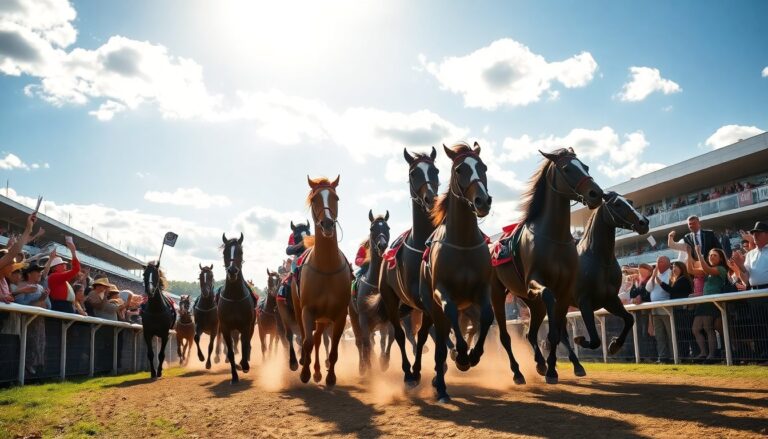
Horse racing has long been a beloved tradition in the United Kingdom. Between the historic tracks like Ascot and Aintree, the thrill of the Grand National, and the elegance of the Epsom Derby, racing has captured the hearts of millions. However, there are times when these events are not on, leaving fans and bettors alike yearning for more. During these off periods, many wonder how to satisfy their racing cravings. One potential alternative is UK horse racing not on GamStop non GamStop horse racing, which offers a different angle for enthusiasts.
The Importance of the Racing Calendar
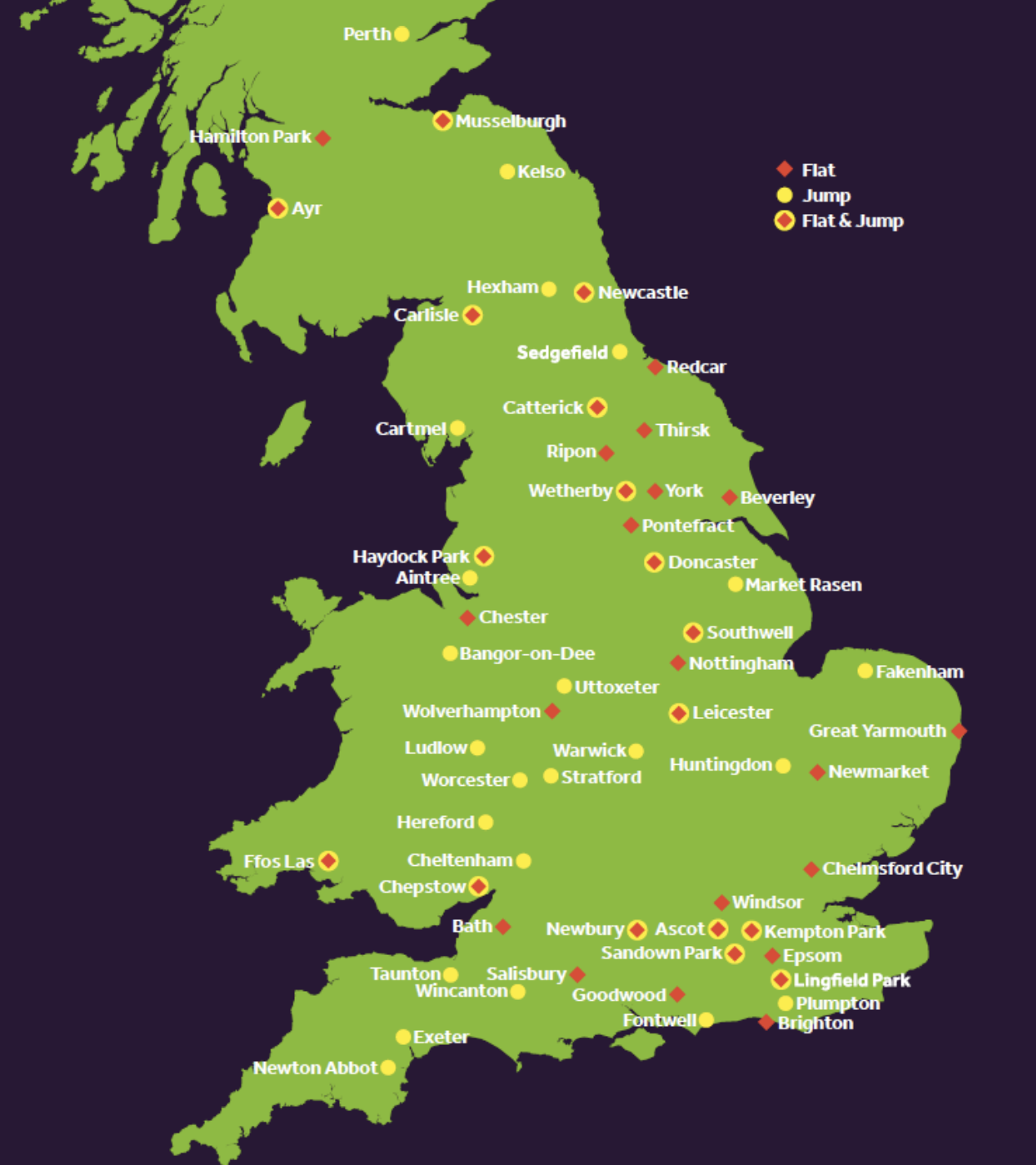
The UK horse racing calendar is a carefully curated schedule, packed with events from the flat racing season in spring and summer to the jumps racing season in autumn and winter. On any given day, there are races running across the country, especially at renowned venues like Newmarket, Cheltenham, and York. The calendar not only provides structure but also creates anticipation among fans and punters.
However, the calendar does have gaps. The racing world experiences downtimes, which could be due to several factors including weather conditions, maintenance of tracks, or administrative decisions. These pauses may last for weeks or even months and can leave a significant void for those who rely on the excitement of racing for entertainment or betting purposes.
Challenges During Off-Season
The off-season presents its own set of challenges for fans, especially for those who are passionate about both watching the races and placing bets. Television ratings drop, bookmaker engagement decreases, and tracks may experience fewer visitors. This lull can challenge the economy linked to horse racing, which supports many jobs and local businesses.
Additionally, trainers, jockeys, and stable staff face job uncertainty when racing is not on. Many may look for temporary jobs to fill the gap, which can disrupt their training cycles and potentially impact the performance of the horses once racing resumes. Breeders and owners also find themselves in a tricky situation, as the value of their horses can fluctuate without a consistent racing schedule to give them visibility and opportunity.
Finding Alternatives
When racing is not on, fans often seek alternatives to keep the thrill alive. This is where options like non GamStop horse racing come into play. These events or betting platforms provide fans with opportunities to engage in horse racing activities without being affected by the restrictions of traditional racing schedules.
Non GamStop horse racing allows punters to place bets on various live events that may not be directly associated with UK tracks. This could include international races or even virtual racing. Virtual racing, in particular, has surged in popularity, leveraging advanced technology to simulate races in real-time, offering a thrilling alternative when physical races are not on.
The Impact of COVID-19 on Racing
The COVID-19 pandemic further emphasized the vulnerability of the racing calendar. During lockdowns, all physical racing events were suspended, and the industry had to adapt quickly. Many tracks turned to virtual racing as a stopgap, which kept fans engaged and allowed bookmakers to maintain operations.
This turbulent period also highlighted the need for agility within the racing community. Stakeholders began exploring new avenues for fan engagement, increasing the adoption of digital platforms and online betting options. While the pandemic was challenging, it propounded innovative solutions that may benefit the industry for years to come, even when traditional racing resumes.
The Future of UK Horse Racing
As the industry continues to evolve, the need for a robust racing calendar paired with alternative options will remain relevant. It’s important for the racing community to adapt to changing consumer behaviors, especially among younger audiences who may prefer digital engagement.
Innovations in technology, coupled with a renewed focus on engaging content, will be essential in keeping the excitement alive, even when the racing calendar has pauses. Owners, fans, and stakeholders alike will need to collaborate to ensure that UK horse racing remains a vibrant and integral part of British culture.
Conclusion
UK horse racing is an intricate tapestry of history, excitement, and challenge. While the racing calendar brings structured thrills to fans, the periods when it is not on can cause waves in the industry. However, alternatives such as non GamStop horse racing and v
irtual racing provide new avenues to keep enthusiasts engaged. By embracing both tradition and innovation, the horse racing industry can navigate these off-season challenges and look ahead to a bright future filled with racing excitement.
