The Current State of UK Horse Racing: What Happens When Races Are Not on?
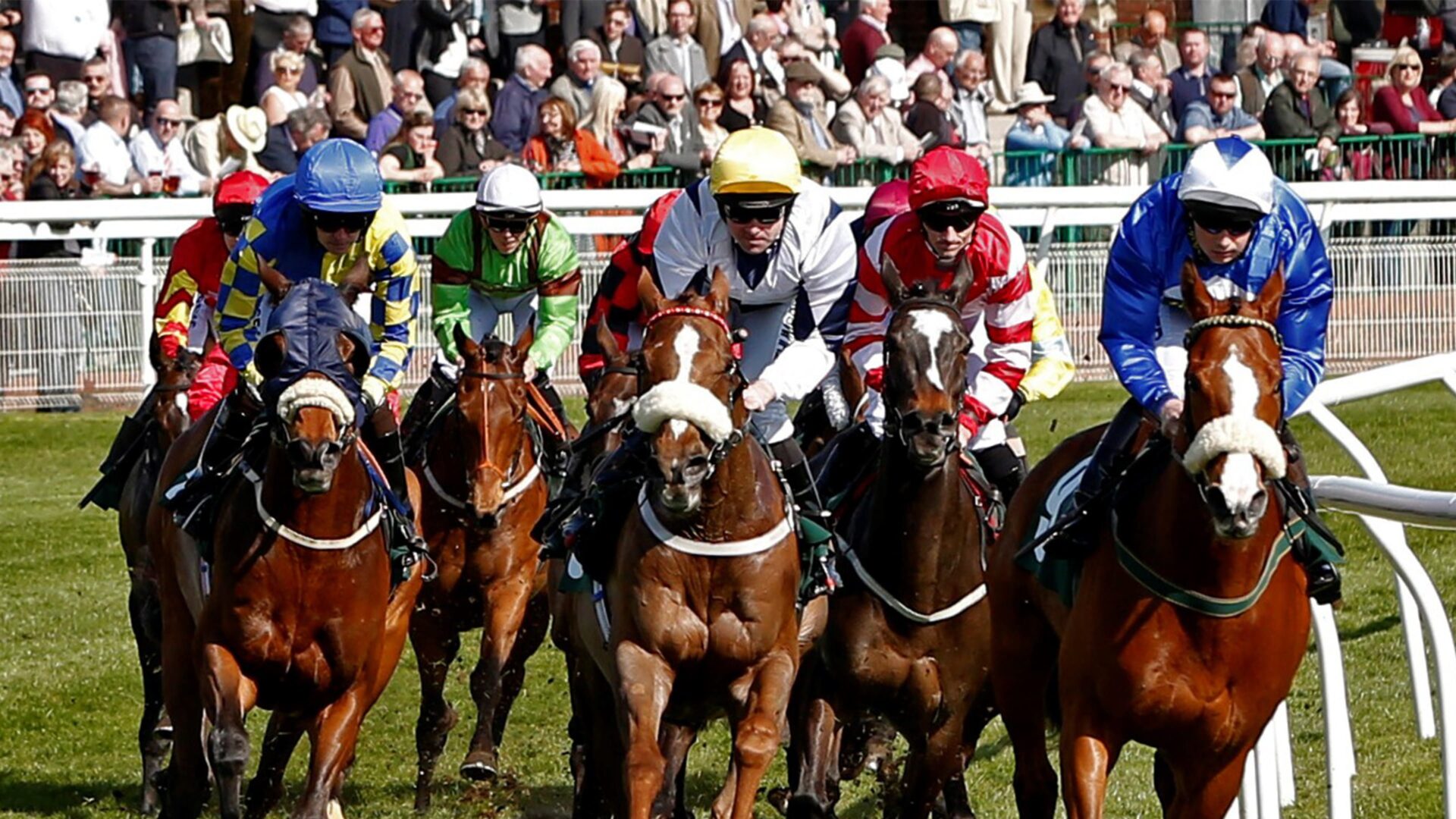
Horse racing has long been a cherished tradition in the UK, with its rich history and vibrant community of enthusiasts. However, there are moments when each racing season faces disruption—be it due to weather conditions, public health mandates, or other unforeseen circumstances. In these instances when horse racing is not on, both fans and bettors experience a shift in excitement and engagement. With this in mind, we explore the impact of such occurrences on the community, betting dynamics, and alternative options for racing enthusiasts. For those looking to engage with UK horse racing not on GamStop horse racing betting sites not on GamStop, there are still plenty of opportunities to delve into the world of racing even when live events are paused.
The Impact of Races Being Cancelled
When races are not held, the immediate impact is felt across various sectors. Racecourses, owners, trainers, and the jockeys experience financial strain as the absence of races translates into a loss of income. For racecourses, ticket sales and hospitality packages are integral revenue streams. Announcements of cancellations are often met with disappointment by excited fans who have been looking forward to day trips to track events.
Moreover, the betting scene takes a significant hit. Traditionally, punters have relied on these events for their betting fix. Cancellations can lead to a downturn in activity, pushing bettors to seek alternative forms of entertainment. When horse racing is not on, enthusiasts may turn to sports betting on less popular events, virtual racing, or other forms of gambling to satisfy their cravings.
Alternative Racing Opportunities
While no live races might be taking place, the world of horse racing is not entirely devoid of excitement. Numerous digital platforms offer fans the opportunity to engage with virtual racing, allowing users to place bets on simulated races. Many betting sites have embraced innovative technologies, providing immersive experiences that closely mimic live racing events.
These virtual racing platforms operate around the clock, ensuring that fans can place their bets at any time without waiting for the next race to occur. While some purists may argue that virtual racing lacks the authenticity of a live event, it has become an effective substitute when real races are not available. Consequently, it keeps the betting community engaged and financially active during downtimes.
Community Engagement in Absence of Live Races
The absence of live horse racing often prompts the community to turn inward. Many racing enthusiasts engage in discussions through online forums, social media, and fan clubs. This digital engagement allows fans to share insights, tips, and analyses of past performances, even in the absence of upcoming events.
Various horse racing podcasts and YouTube channels thrive during these downtimes, as content creators focus on historical races, interviews with jockeys and trainers, and educational content about horse racing. Such interactions foster a sense of belonging among fans and keep the spirit of racing alive.
The Role of Betting Sites Not on GamStop
In times when racing events are not occurring, online betting platforms that are not part of GamStop provide alternative options for bettors seeking excitement. These sites often feature a wide range of betting markets, from international races to virtual sports, enabling fans to continue enjoying their hobby.
It’s crucial for punters to approach these platforms with an understanding of responsible gambling practices. Engaging with betting sites outside of GamStop can be beneficial, especially for those who wish to continue wagering without any restrictions on their gaming habits. However, it is equally important to manage risks and maintain a healthy balance between entertainment and gambling.
The Future of UK Horse Racing
Looking ahead, the future of UK horse racing entails adaptability and resilience. The industry has demonstrated an ability to coordinate large-scale events amid challenges, but it must also remain prepared for potential disruptions. Investing in innovative technology, enhancing fan engagement through digital channels, and supporting trainers and owners through difficult times are crucial steps in ensuring the longevity and prosperity of the sport.
Moreover, collaboration between stakeholders, including racecourses, betting companies, and regulatory bodies, is essential for creating a sustainable environment that can withstand the uncertainties that come with equine sports.
Final Thoughts
While there are moments when UK horse racing is not scheduled, the community’s resilience shines through. Enthusiasts and bettors alike find ways to engage, whether through alternative racing experiences, digital media, or community involvement. Live events may pause, but the love for racing continues to thrive, adapting t
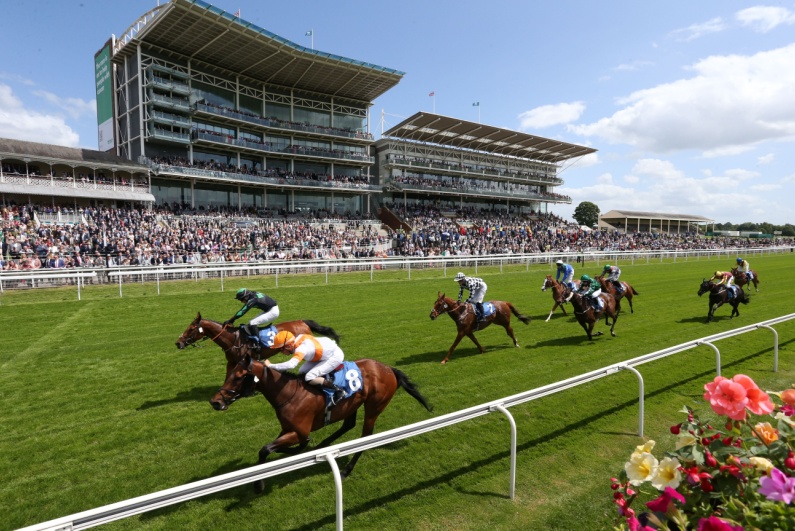
o the changing landscape. Moving forward, embracing flexibility, innovation, and a commitment to the community will be key components in keeping the spirit of UK horse racing alive and well.
