
Your Guide to Managing a Horse Racing Betting Account
For many sports fans, Horse Racing Betting Account horse racing betting account has become a way to connect with the sport on a deeper level, adding a layer of excitement and engagement. This article serves as a comprehensive guide on how to effectively manage a horse racing betting account, covering everything from registration to advanced betting strategies.
1. Setting Up Your Horse Racing Betting Account
The first step in your horse racing betting journey is setting up an account with a reliable bookmaker. There are numerous online platforms available, so it’s crucial to choose one that suits your betting style and preferences. When selecting a bookmaker, consider the following factors:
- Licensing and Regulation: Always choose a bookmaker that is properly licensed and regulated. This ensures the safety of your funds and personal information.
- Odds Comparison: Check the odds different bookmakers offer for the horses you are interested in. Slight differences in odds can significantly influence your returns.
- Promotions and Bonuses: Look for bookmakers offering generous sign-up bonuses and promotions for existing customers. These can provide you with additional funds to place bets.
- User Experience: A good website or app interface can significantly enhance your betting experience. Look for user-friendly platforms that offer a seamless betting process.
2. Understanding Betting Odds
Betting odds are essential for making informed decisions in horse racing betting. They indicate the likelihood of a horse winning and help determine your potential payout if your bet is successful. Odds come in various formats: fractional, decimal, and moneyline. Understanding each format will empower you to make better bets:
- Fractional Odds: Commonly used in the UK, these odds show the profit relative to the stake (e.g., 5/1 means you win £5 for every £1 wagered).
- Decimal Odds: Popular in Europe and Canada, these odds represent the total payout, including your stake (e.g., 6.0 means you get £6 for every £1 wagered).
- Moneyline Odds: Used mainly in the US, these odds indicate how much you can win from a base stake (e.g., +500 indicates you win $500 from a $100 bet).
3. Types of Bets in Horse Racing
Once you’ve got a handle on odds, it’s time to explore different types of bets you can place. Here’s a quick overview of some popular betting options:
- Win Bet: A bet on a horse to finish first.
- Place Bet: A bet on a horse to finish in the top two or three, depending on the race.
- Each-Way Bet: Combines win and place bets, giving you a chance to win or secure a return if your horse finishes in the top positions.
- Exacta/Quinella: Bets predicting the first two horses across the finish line in a specific order or any order, respectively.
- Trifecta: A bet on the first three horses finishing in a specific order.
4. Bankroll Management
One of the most crucial aspects of betting is managing your bankroll effectively. This will help you avoid significant losses and sustain your betting activity over time. Here are some tips for bankroll management:
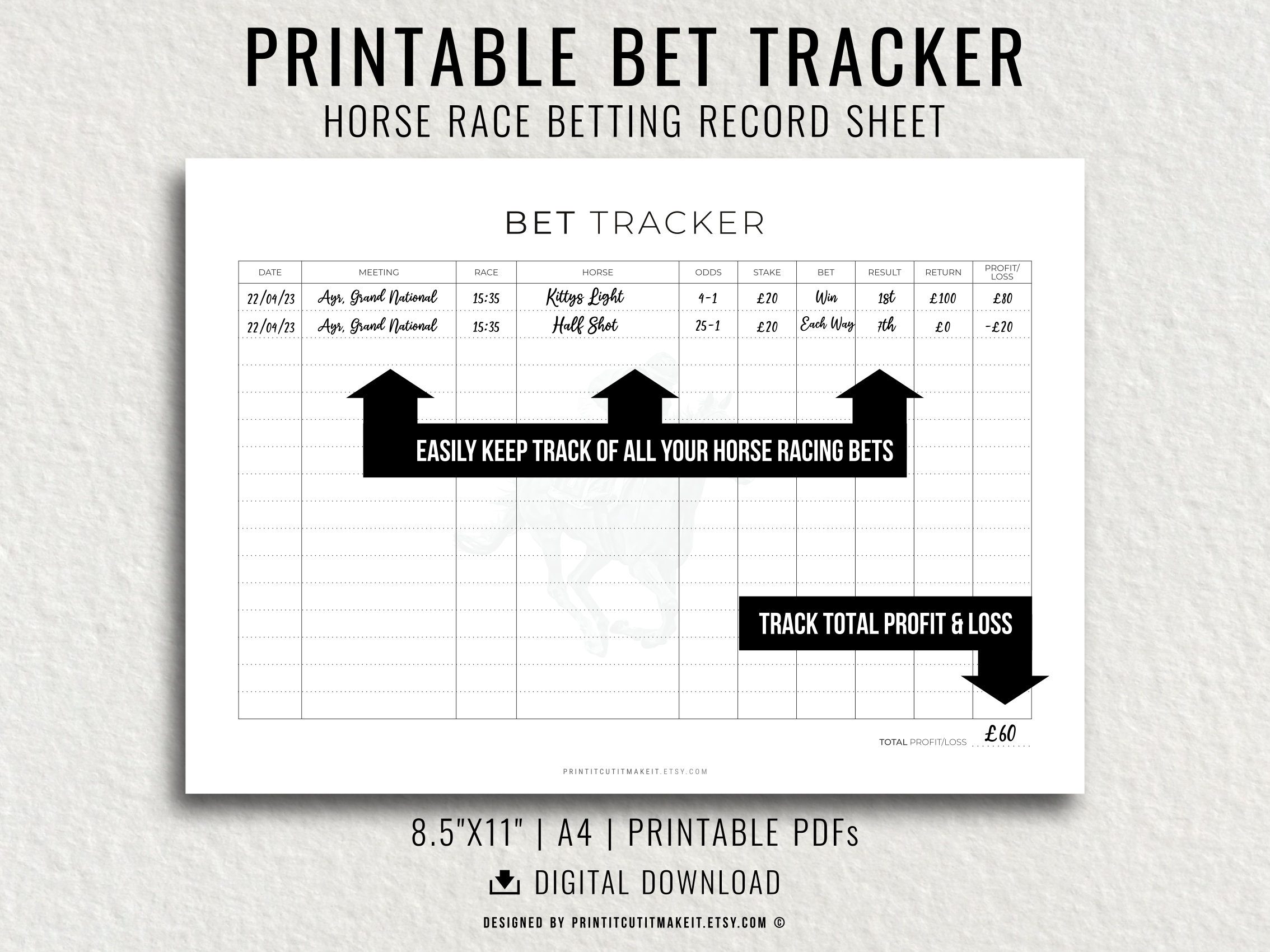
- Set a Budget: Determine how much money you’re willing to allocate for betting each month and stick to this amount.
- Stake Wisely: Avoid placing all your funds on one bet. Instead, consider staking a small percentage of your bankroll on each wager.
- Review and Adjust: Regularly assess your betting performance and adjust your strategy to improve your results.
5. Research and Analysis
To maximize your chances of winning, conducting thorough research is essential. Here are some factors to consider when analyzing a race:
- Horse Form: Look at the horse’s previous performances, including recent race results and overall form.
- Jockey and Trainer Stats: Evaluate the success rates of the jockey and trainer for insight into how the horse may perform.
- Track Conditions: Understand how different weather and track conditions can affect a horse’s performance.
- Competition: Analyze the strengths and weaknesses of the other horses in the race.
6. In-Play Betting
In-play betting has gained popularity due to its dynamic nature, allowing bettors to place wagers while the race is underway. This type of betting requires quick thinking and a strong understanding of the race as it unfolds. Here are some tips for in-play betting:
- Stay Informed: Keep up with live updates, race commentary, and expert analysis during the event.
- Act Quickly: Odds can change rapidly as the race progresses, so be prepared to make quick decisions.
7. Common Pitfalls to Avoid
Even with careful planning, bettors can fall into common traps that jeopardize their betting experience. Here are a few pitfalls to watch out for:
- Chasing Losses: Avoid increasing your stakes to recover from losses, as this can lead to bigger financial troubles.
- Overconfidence: Don’t let past success lead you to underestimate the competition or the unpredictability of horse racing.
- Ignoring Bankroll Management: Straying from your predetermined budget can hurt your ability to bet long-term.
Conclusion
Managing a horse racing betting account can be a rewarding yet challenging endeavor. By following the guidelines outlined in this article—setting up with the right bookmaker, understanding betting odds, managing your bankroll, and conducting thorough research—you can improve your chances of making successful bets. Remember to stay informed, exercise patience, and enjoy the process. Happy betting!
